King Of Jordan: A Comprehensive Look At The Leadership And Legacy - King of Jordan, a title that carries immense responsibility, has been a beacon of leadership, stability, and progress for the Hashemite Kingdom of Jordan. The role of the king in Jordan's history is pivotal, shaping the nation's identity and global standing. This article delves deep into the significance of the king's role, exploring the leadership, achievements, and challenges faced by the monarchy. King Abdullah II has prioritized education as a cornerstone of national development. He has launched several programs aimed at improving access to quality education, particularly for underprivileged communities. Additionally, his focus on STEM education has positioned Jordan as a regional leader in technology and innovation.
King of Jordan, a title that carries immense responsibility, has been a beacon of leadership, stability, and progress for the Hashemite Kingdom of Jordan. The role of the king in Jordan's history is pivotal, shaping the nation's identity and global standing. This article delves deep into the significance of the king's role, exploring the leadership, achievements, and challenges faced by the monarchy.
The monarchy was officially established in 1946 when Jordan gained independence from British rule. Since then, the Hashemite kings have focused on nation-building, fostering unity among diverse ethnic and religious groups, and promoting regional stability. The monarchy's commitment to democracy, human rights, and economic development has earned it respect both domestically and internationally.
The monarchy in Jordan plays a critical role in maintaining national unity and fostering international relations. As the king of Jordan, the monarch is not just a figurehead but an active participant in the nation's governance, ensuring peace and prosperity for its citizens. Understanding the king's role is essential for comprehending Jordan's political landscape and future trajectory.
Over the decades, the Jordanian monarchy has evolved to meet the challenges of a changing world. From King Hussein's efforts to modernize the country to King Abdullah II's focus on digital transformation and sustainable development, each ruler has left an indelible mark on Jordan's progress. The monarchy remains a stabilizing force in a region often plagued by conflict.
The king's emphasis on infrastructure development has attracted foreign investment and created jobs for Jordanians. Projects such as the Aqaba Special Economic Zone and the Queen Alia International Airport expansion have boosted the country's economic potential.
Under King Abdullah II's leadership, Jordan has made significant strides in various sectors. From improving educational standards to enhancing digital infrastructure, the king's initiatives have laid the groundwork for sustainable development.

Thank you for reading, and we hope you found this article informative and engaging. Please feel free to share it with others who may be interested in learning more about the King of Jordan and his remarkable legacy.
Jordan's economy has been affected by regional instability and global market fluctuations. The king has implemented fiscal reforms and sought international partnerships to mitigate these challenges, but the road to economic recovery remains fraught with difficulties.
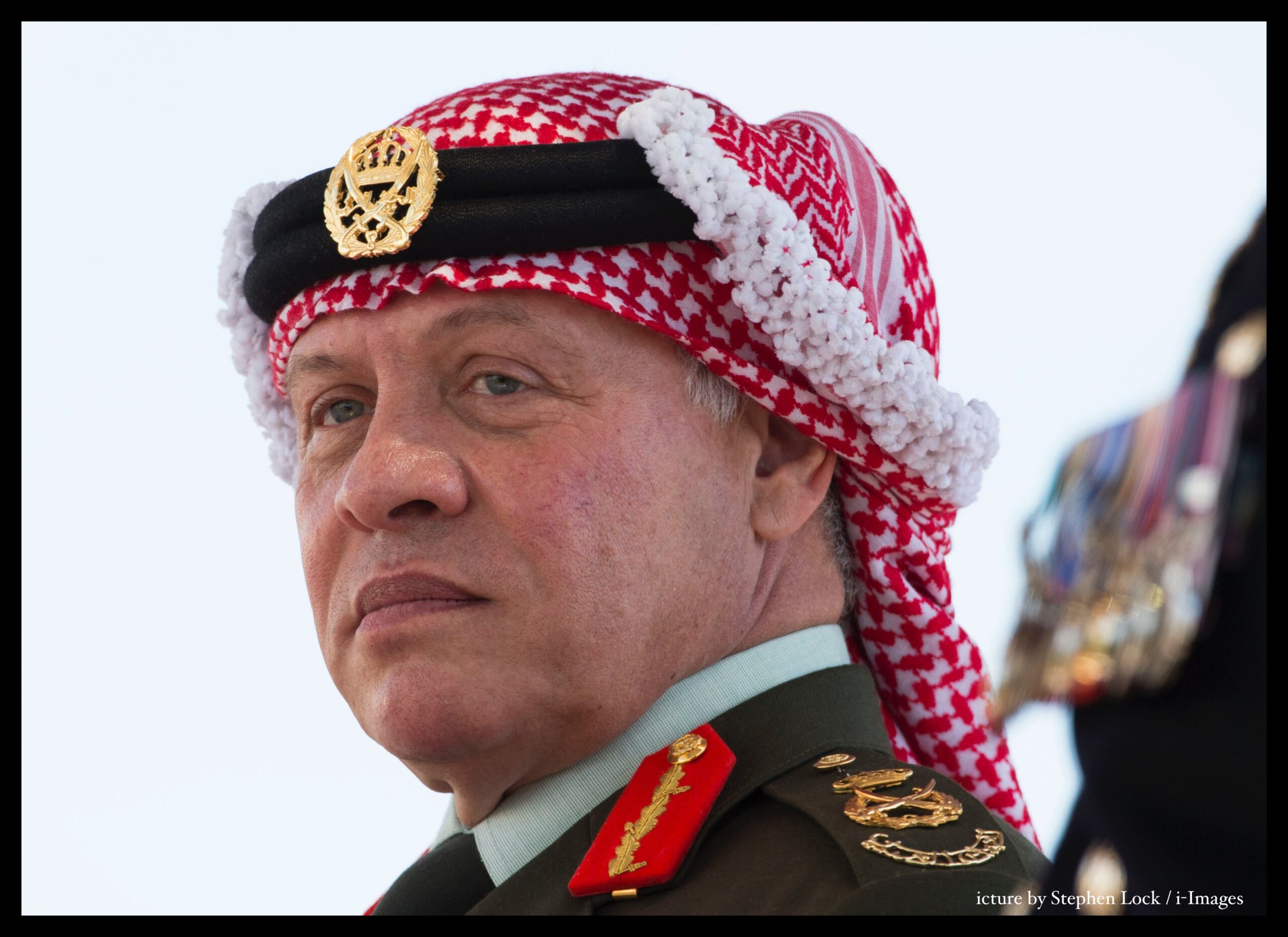
At home, the king's policies focus on improving the quality of life for Jordanian citizens. From healthcare to housing, his initiatives aim to address the most pressing needs of the population.
Social inequality and unemployment remain pressing issues in Jordan. The king has launched several initiatives to address these concerns, including job creation programs and social welfare reforms. However, more needs to be done to ensure equitable opportunities for all citizens.
Looking ahead, the future of Jordan under King Abdullah II remains promising. The king's vision for a modern, prosperous nation is supported by a comprehensive development strategy that addresses economic, social, and environmental challenges.
Recognizing the importance of small businesses in driving economic growth, the king has introduced programs to support entrepreneurship and innovation. These initiatives have empowered young entrepreneurs and contributed to the diversification of Jordan's economy.